

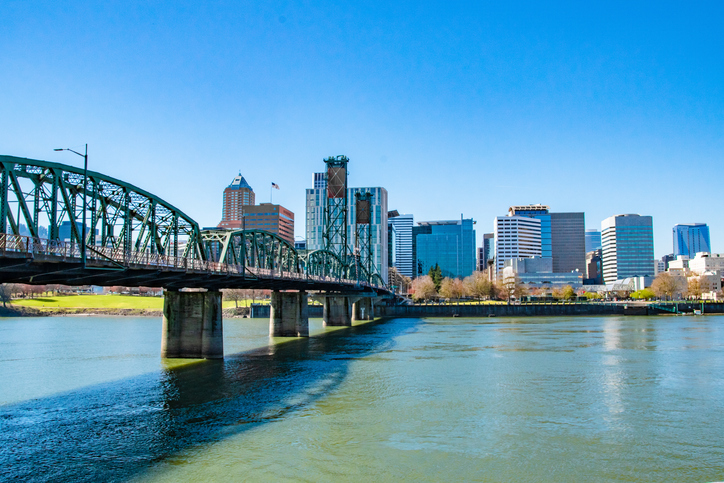
 Portland’s rivers are filled with a wide variety of watercraft, from fishing boats and jet skis to sailboats and commercial vessels. While boating is a popular and enjoyable activity, accidents happen more often than many people realize.
Understanding the types of watercraft most commonly involved in boating accidents can help you recognize risks and protect your legal rights if an injury occurs. At Dawson Law Group, we represent individuals harmed in serious boating accidents throughout the Portland area.
Motorboats and Runabouts
Motorboats are among the most frequently involved vessels in reported accidents. According to data from the United States Coast Guard recreational boating accident statistics, open motorboats account for a significant percentage of total incidents each year.
These boats are popular for watersports and family outings. However, high speeds and operator inexperience can increase the likelihood of collisions, especially in congested areas of the Willamette River.
Common accident scenarios include:
- Collisions with other boats
- Striking fixed objects such as docks or pilings
- Passengers falling overboard during sharp turns
Personal Watercraft Such as Jet Skis
Personal watercraft, often referred to as jet skis, are agile and fast. Their maneuverability can be an advantage, but it can also create danger when riders misjudge distance or speed.
Because jet skis are smaller and less visible than larger vessels, they are sometimes struck by other boats. In other cases, riders lose control and collide with swimmers or other watercraft.
Inexperience is a major factor. Many riders underestimate the learning curve associated with safely operating these machines.
Pontoons and Party Boats
Pontoon boats are common on Portland waterways, particularly during summer gatherings. They are designed for comfort and socializing. Unfortunately, overcrowding and alcohol use can contribute to accidents.
Passengers may fall overboard, suffer injuries during sudden stops, or be hurt when another vessel creates a large wake. Because pontoons are often rented, questions about liability can involve both the operator and the rental company.
Fishing Boats
Fishing boats vary in size and design. Some are small aluminum crafts used close to shore, while others are larger vessels designed for deeper waters.
Accidents involving fishing boats frequently occur due to:
- Changing weather conditions
- Equipment malfunctions
- Collisions with faster moving recreational boats
When safety equipment is missing or poorly maintained, injuries can become far more severe.
Sailboats
Sailboats rely on wind power and have limited maneuverability compared to motorized vessels. While they are generally slower, they can still be involved in serious accidents, especially in busy waterways.
Collisions often happen when motorboat operators fail to understand navigation rules that give sailboats certain right of way protections. In other cases, sailboats may strike submerged objects or run aground.
Commercial Vessels and Barges
Portland’s rivers serve commercial shipping operations. Barges and other commercial vessels are significantly larger than recreational boats. When a collision occurs, the damage to smaller crafts can be catastrophic.
These cases may involve complex maritime regulations and federal oversight. The United States Code Title 46 on shipping and maritime law outlines many of the legal frameworks that apply in such situations.
Kayaks and Canoes
Non motorized watercraft such as kayaks and canoes are increasingly popular. While they are generally slower and quieter, their low profile makes them harder to see.
Accidents often occur when larger boats fail to maintain a proper lookout. Even a minor collision can result in serious injuries due to the lack of structural protection.
Why Certain Watercraft Are More Accident Prone
Several factors influence accident frequency across different vessel types:
- Speed capabilities
- Operator training requirements
- Visibility on the water
- Stability and design features
- Common usage patterns such as watersports or social gatherings
For example, high speed motorboats and personal watercraft naturally carry higher collision risks. Meanwhile, smaller vessels like kayaks face greater injury risks when struck by larger crafts.
Determining Liability After a Boating Accident
Regardless of the type of watercraft involved, determining liability requires a careful review of the facts. Potentially responsible parties may include:
- The boat operator
- The boat owner
- A rental company
- A manufacturer in cases of defective equipment
- A commercial entity operating a large vessel
Oregon law imposes a duty of reasonable care on boat operators. When that duty is violated and someone is injured, the injured party may have the right to pursue compensation.
If you have been injured, our Portland boating accident lawyer page provides additional information about how claims are handled and what damages may be available.
Steps To Protect Yourself on the Water
While no activity is risk free, certain precautions can significantly reduce your chances of being involved in a boating accident:
- Complete a certified boating safety course.
- Wear properly fitted life jackets.
- Avoid alcohol while operating any vessel.
- Maintain a safe speed and follow navigation rules.
- Check weather and water conditions before departure.
The Oregon State Marine Board boating education resources offer valuable guidance for both new and experienced boaters.
How Dawson Law Group Supports Injury Victims
When a boating accident occurs, victims often face mounting medical bills, lost income, and emotional distress. Insurance companies may attempt to minimize payouts or shift blame.
Dawson Law Group conducts detailed investigations, reviews accident reports, consults experts when necessary, and advocates for full and fair compensation. Our approach is grounded in clear communication, empathy, and thorough preparation.
Know Your Rights After a Boating Accident
The types of watercraft most commonly involved in boating accidents vary, but the legal principles remain consistent. If negligence contributed to your injuries, you may have the right to seek compensation.
If you or a loved one has been hurt on Portland’s waterways, contacting an experienced legal team can help you understand your options. Dawson Law Group is committed to guiding clients through this challenging time with professionalism and care.