

 Slip-and-fall accidents can happen anywhere. A broken step, a slick floor, poorly lit stairwell, or spilled liquid in a store hallway might seem like everyday hazards. But when these conditions cause you to fall and suffer injury, you may ask what qualifies as a slip-and-fall accident in Portland. Understanding this concept helps you protect your legal rights and pursue compensation for your injuries and losses.
Defining a Slip-and-Fall Accident
A slip-and-fall accident is a type of premises liability case. It involves a person slipping, tripping, or falling due to hazardous conditions on someone else’s property. These hazards are typically conditions that a reasonable property owner should have known about and fixed or warned visitors to avoid. The key legal concept is that the owner or occupier of the property failed to maintain a safe environment.
The Oregon Revised Statutes describe the duty property owners owe to lawful visitors. A property owner must exercise reasonable care to keep the premises safe and warn of dangerous conditions. If a visitor slips or falls because that duty was breached, the accident may qualify for compensation under Oregon law.
Common Situations That Qualify
Slip-and-fall claims arise from a variety of conditions. Some common examples include:
- Wet or slippery floors without warning signs in grocery stores or malls.
- Uneven sidewalks or cracks in walkways.
- Poorly maintained staircases without handrails.
- Loose mats, rugs, or torn carpet edges.
- Puddles, ice, or snow left uncleared in parking lots.
These hazards become dangerous when they cause someone to lose footing and fall. What makes a valid claim is not only that you fell but that the property owner knew or should have known about the hazard and failed to fix it or alert you to it.
Legal Requirements for a Slip-and-Fall Claim
For an accident to qualify as a compensable slip-and-fall in Portland, you must show several legal elements. Generally, these include:
1. The Property Owner Had a Duty of Care
Property owners, tenants, managers, and occupiers owe a duty of care to people lawfully on their premises. The level of duty may vary depending on your status as an invitee, licensee, or trespasser. Invitees, such as customers in a store or guests at a business, typically receive the highest level of protection. They are owed a duty to inspect the property for hazards and fix what is dangerous.
2. A Dangerous Condition Existed
A dangerous condition is something the owner should have known about through reasonable inspection and maintenance. The hazard could be a spill, uneven surface, or lack of handrails. The owner must have either created the hazard, knew about it, or should have discovered it with reasonable care.
3. The Owner Failed to Address or Warn About the Hazard
If the owner knew about the hazard and did nothing to correct it or provide clear warning signs, that failure can establish negligence. Even if the owner did not know about it, failing to regularly inspect and maintain the property might be negligence.
4. The Hazard Caused Your Fall and Injuries
There must be a direct link between the dangerous condition and your injuries. You must show that you slipped, tripped, or fell because of that condition. Evidence like photographs, witness testimony, and incident reports help prove this link.
Examples of Qualifying Slip-and-Fall Accidents
Understanding real scenarios helps clarify what qualifies. Below are several examples that often result in successful claims when the legal requirements are met.
Wet Floors Without Warning
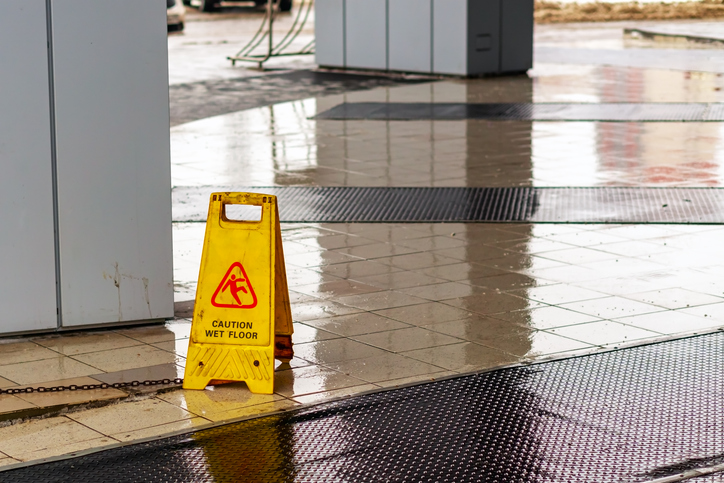
Imagine you enter a supermarket after a rainstorm and water is tracked in by other customers. If the store fails to place wet floor signs or clean up the water and you slip and fall, this situation may qualify as a slip-and-fall accident. The store has a duty to monitor high-traffic areas and address hazards promptly.
Poor Lighting and Hidden Obstacles
Poor lighting in a parking garage may hide potholes or uneven pavement. If you walk through the area and trip because you could not see the hazard, the property owner may be responsible. Lighting and maintenance are part of reasonable care to prevent dangerous conditions.
Broken Stair Rails or Steps
Stairs should be secure, with even step heights and sturdy handrails. If these features are missing or damaged and cause you to fall, the owner may have breached their duty of care. These defects are predictable hazards that require timely repair.
What Does Not Qualify?
Not every fall qualifies for compensation. If you slipped or fell due to your own carelessness alone, without any dangerous condition on the property, there may be no valid claim. Likewise, falls that occur on your own property or without a property owner’s legal responsibility may not qualify. Understanding the specific facts and applicable law is essential.
Comparative Fault in Oregon
Oregon follows a comparative fault rule. If you share some responsibility for the fall, your compensation may be reduced. For example, if you were texting and did not see a hazard, a jury might find you partially at fault. Your recovery would be decreased by your percentage of fault. Despite this rule, if the property owner was primarily responsible, you may still be eligible for compensation.
Documenting Your Slip-and-Fall Accident
Strong evidence helps prove what qualifies as a slip-and-fall accident. Take the following steps after your accident:
- Report the accident to the property manager or owner and request an incident report.
- Take photos of the hazard that caused your fall and the surrounding area.
- Obtain contact information for witnesses.
- Seek medical treatment immediately and keep all medical records.
- Keep documentation of all related expenses and lost income.
Photos and reports capture the hazardous condition before it changes. Witness information helps confirm your account. Medical records connect your injuries to the incident.
Consult an Experienced Portland Slip-and-Fall Lawyer
Slip-and-fall claims involve complex legal issues. Property owners and insurance companies often argue that hazards were obvious or that you caused your own fall. This is why legal support matters. An experienced attorney can gather evidence, handle communications, and fight for the compensation you deserve.
At Dawson Law Group, we understand what qualifies as a valid slip-and-fall accident in Portland and how to build strong claims on behalf of our clients. Visit our Portland slip and fall lawyer page to learn more about how we can help you.
Conclusion
Knowing what qualifies as a slip-and-fall accident in Portland protects your right to seek compensation after a fall. A qualifying accident typically involves a dangerous condition on another person’s property that the owner knew or should have known about and failed to correct. Examples include wet floors without warnings, uneven surfaces, and poorly maintained stairs. Strong evidence, including photos, reports, and medical records, helps show what happened and why the property owner is liable.
If you suffered a slip-and-fall injury, seek legal advice early. A knowledgeable attorney can guide you through the process, explain your rights, and advocate on your behalf. With the right support, you can focus on recovery while your legal team works to secure the compensation you need.